
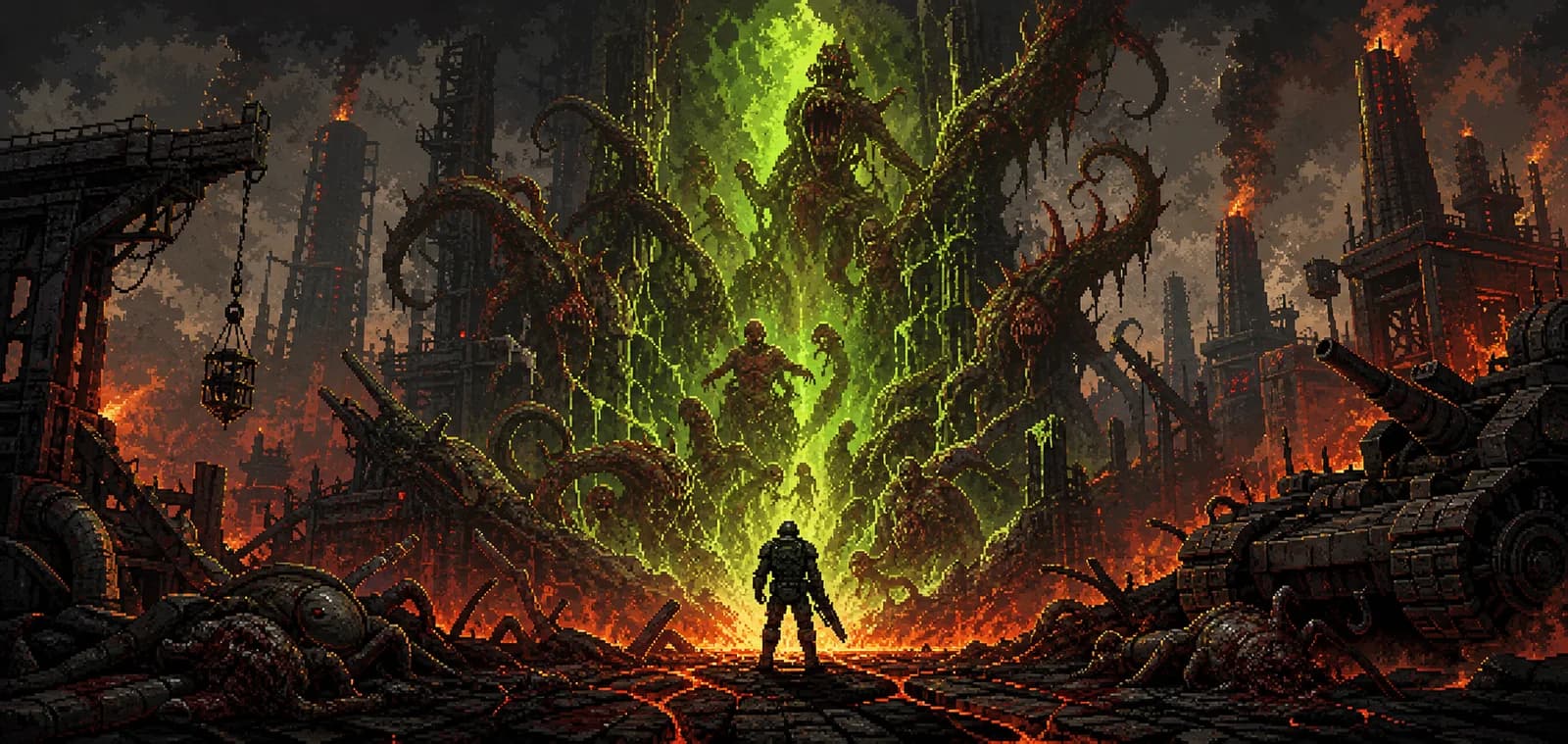
Building games with AI, in public
Ship Shit Games

Ship Shit Games builds the DEADROT universe live with AI — a whole IP, many browser games, one bloody canon. Skills Pro and the studio tools are the system we use to move this fast.


Studio reality
AI floods. We ship.
The new bottleneck is not generation. It is taste, continuity, QA, deployment, and knowing what to cut before the build collapses under its own cleverness.
The build loop
Scope. Canon. Ship.
Ship Shit Games is the operating system we use to build DEADROT in public: scoped slices, canon-aware asset generation, agent workflows, and ruthless review loops.
Scope
Start with one promise, one aesthetic lane, and one public build target.
Canon
Keep assets, lore, prompts, and implementation tied to studio rules instead of one-off experiments.
Ship
Use agents for scaffolding, code, review, deployment, and session capture until the build is public.
DEADROT
War IP. Live build.
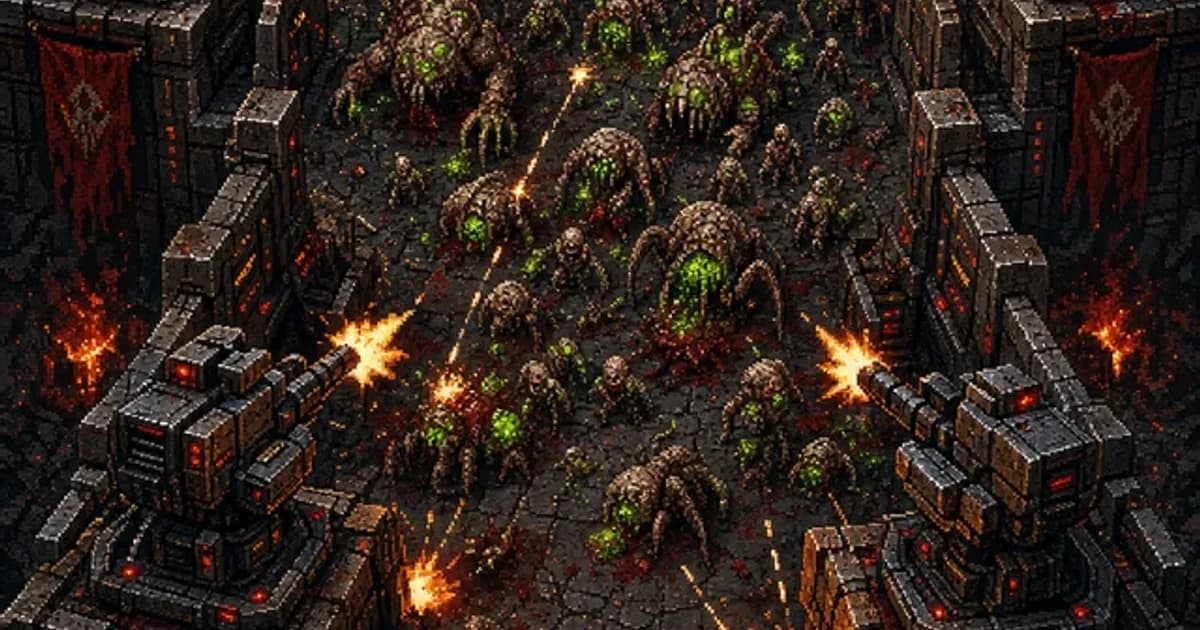
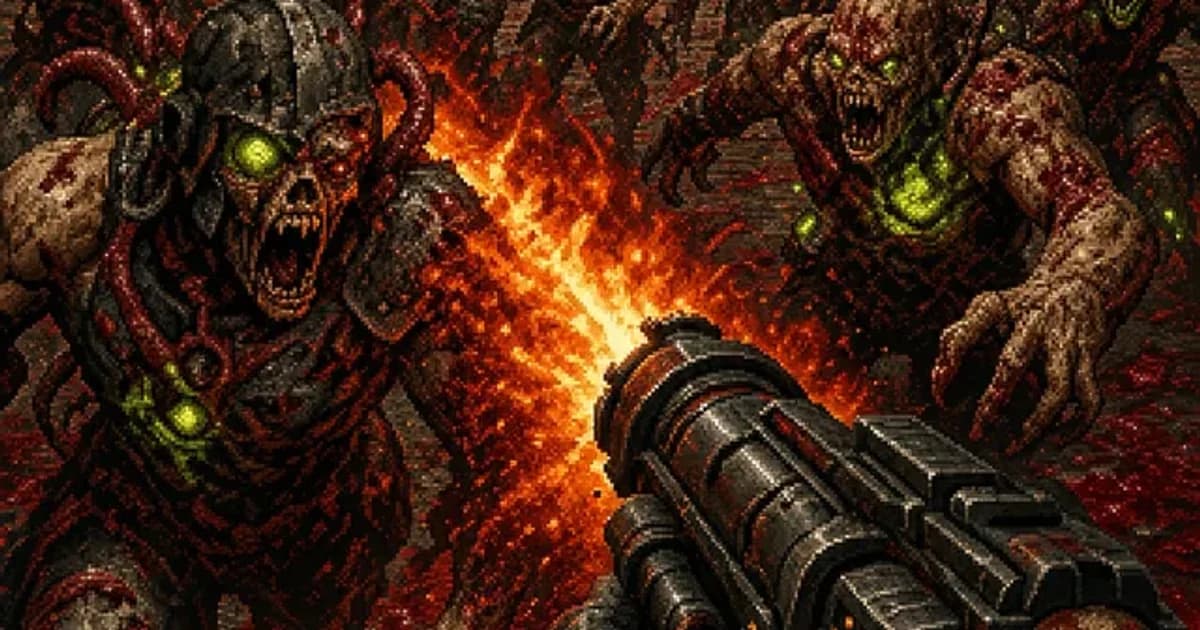
DEADROT is the browser-game IP we are building in public: war fronts, invasion pressure, hard factions, and the Scourge as parasitic host-takeover organisms, not generic monsters.
Studio output
Games. Tools. Receipts.
This is not a content funnel pretending to be a studio. Each product is tied to what we are actually building, using, and publishing.
DEADROT
The browser-game universe we are building live: brutal canon, playable builds, source links, and finished-product gates.
See the games →Skills Pro
The paid operating manual: production prompts, agent workflows, review loops, and updates from the live build. Early buyers get in at $29.
Buy the pack →Asset pipeline
The generated game-art workflow, catalog rules, and assetgen tooling we dogfood on DEADROT.
See the assets →Build log
The public record of what worked, what broke, and how the system changed after real shipping pressure.
Read the build log →Build log
The devlog should have an archive.
Substack is the right default for the newsletter because every issue can be email, public post, and receipt at the same time. The site stays the landing page; the archive carries the build history.
Email first
Short, useful dispatches from real builds: shipped slices, broken loops, prompts, and cuts.
Public record
Readers can link to posts instead of screenshots, and buyers can see the system getting sharper over time.